
HIPAA compliance in medical billing means keeping patient information safe while handling insurance claims, payments, and billing records. Billing involves sensitive information like patient names, medical conditions, insurance details, and payment data. HIPAA rules make sure this information is only used, stored, and shared safely with the right people.
Following HIPAA is not optional, it’s the law. Breaking the rules can lead to fines, legal trouble, and loss of patient trust, which can harm a practice’s reputation. Staying compliant helps
Practices protect patient privacy, avoid mistakes, and maintain trust with patients and insurance companies.
Medical billing involves many steps, like entering charges, coding, submitting claims, posting payments, and following up. At each step, patient data is handled electronically, so strong security like safe systems, restricted access, and trained staff is essential to prevent data breaches and keep the practice HIPAA compliant.
Understanding HIPAA and Its Role in Medical Billing
HIPAA (Health Insurance Portability and Accountability Act) sets rules to protect patient health information. These rules cover privacy, security, and reporting any data breaches. They apply to doctors, hospitals, insurance companies, and billing services anyone handling patient information.
What is Protected Health Information (PHI)?
PHI includes anything that identifies a patient and relates to their care or payments. This can be names, birth dates, diagnoses, treatment codes, insurance details, and payment information. HIPAA requires all this information to be kept safe.
How HIPAA Affects Billing
HIPAA rules apply at every step of medical billing from entering patient information to submitting claims and processing payments. Billing staff must use secure systems, control who can access data, and avoid sharing patient information without permission. Using a HIPAA-compliant billing service helps protect patients and reduces mistakes.
Important HIPAA Rules for Billing
- Privacy Rule: Only authorized staff can see or use patient information, and only for billing or treatment purposes.
- Security Rule: Electronic records must be protected with strong passwords, encryption, and limited access.
- Breach Notification Rule: If data is stolen or lost, patients and authorities must be informed quickly.
HIPAA Compliance in the Medical Billing Process
Protecting patient information is essential in every step of medical billing. Following HIPAA rules helps safeguard privacy, reduce errors, and keep revenue flowing smoothly.
- Collecting Patient Information
Patient details must be collected accurately and stored securely from the very first visit. Only authorized staff should access this information to ensure privacy.
- Coding and Claim Submission
Billing staff handle sensitive patient and financial data daily. HIPAA-compliant processes ensure information is coded correctly, shared securely with payers, and reduce the risk of claim errors or denials.
- Handling Payments
Payments from patients and insurers should be posted securely. Controlled-access reporting systems keep financial information private while helping practices track revenue.
- Secure Record Storage
Medical and billing records must be stored safely and retained for the required period. Proper access controls and secure disposal protect patient information and support audits.
Why HIPAA Compliance Matters
A HIPAA-compliant billing process protects patients, lowers compliance risks, and ensures steady cash flow. Secure systems and trained staff allow healthcare practices to focus on patient care with confidence.
In-House Medical Billing vs. Outsourced Medical Billing – HIPAA Considerations
Medical practices handle sensitive patient information, so it’s important to follow HIPAA rules. Practices can manage billing in-house or use an outside billing company. Each option affects how well patient data is protected.
Risks with In-House Billing
When billing is done in-house, the practice must manage secure systems, staff training, and access controls. Small mistakes or outdated software can lead to data breaches, HIPAA violations, and fines. Staff may also be busy with many tasks, making it harder to stay up to date with rules.
How Outsourced Billing Helps
Outsourced billing companies focus on security and compliance. They use secure systems, trained staff, and clear procedures to protect patient information. This reduces stress for the practice and improves HIPAA compliance.
Business Associate Agreements (BAAs)
When practices outsource billing, they sign a BAA. This agreement explains how patient data will be protected and shared, and who is responsible if something goes wrong. It adds extra legal protection under HIPAA.
Common HIPAA Violations
- Staff accessing data they shouldn’t
- Using unprotected systems or shared devices
- Not enough HIPAA training for billing staff
- Errors in claims or statements that expose patient data
How a Professional Billing Company Ensures HIPAA Compliance
Working with a professional medical billing company helps protect patient information and keep your practice compliant with the law. These companies use secure, encrypted systems to safely store and share patient data, keeping it safe from unauthorized access. Their staff are trained and certified, so they know the rules like HIPAA and stay up to date with any changes.
Regular checks and audits make sure billing is accurate and secure. Plus, strong backup and disaster recovery plans mean patient information stays safe and the practice can keep running even if there’s a system failure, cyber-attack, or natural disaster.
Choosing a HIPAA-Compliant Medical Billing Company Near Me
Picking the right medical billing company is very important for any healthcare practice. Since billing teams handle sensitive patient information every day, following HIPAA rules is essential.
What to Look For
A good billing company should have experience in healthcare billing and strong security measures. They should use secure software, encrypt data, and follow clear procedures to keep patient information safe.
Questions to Ask About HIPAA
Before hiring a billing company, ask how they store and share patient data, what security steps they take, how often staff are trained on HIPAA, and if they do regular compliance checks. A trustworthy company will answer these questions openly.
Why Local or Specialized Billing Partners Help
Local or specialty-focused billing companies know regional rules and specialty-specific billing challenges. This helps reduce mistakes, improve communication, and keep billing fast and accurate.
How to Keep HIPAA Compliance
HIPAA isn’t a one-time task it needs regular attention:
- Train Staff: Make sure billing staff regularly learn how to handle patient data safely.
- Limit Access: Give staff access only to the information they need.
- Check for Risks: Regularly review systems and processes to spot problems early.
- Stay Updated: Keep up with changes in HIPAA rules to stay compliant.
How HIPAA Compliance Helps Your Practice
Fewer Claim Problems: Accurate, compliant billing reduces rejected claims and audits, helping money flow faster.
Patient Trust: Protecting data makes patients feel safe and improves satisfaction.
Stable Finances: Secure, compliant billing reduces risks and disruptions, letting the practice focus on growth and patient care.
Closing Words
Following HIPAA rules is very important in medical billing. It keeps patient information safe and helps your practice run smoothly. When billing is done correctly and securely, it can reduce errors, prevent denied claims, and build trust with patients.
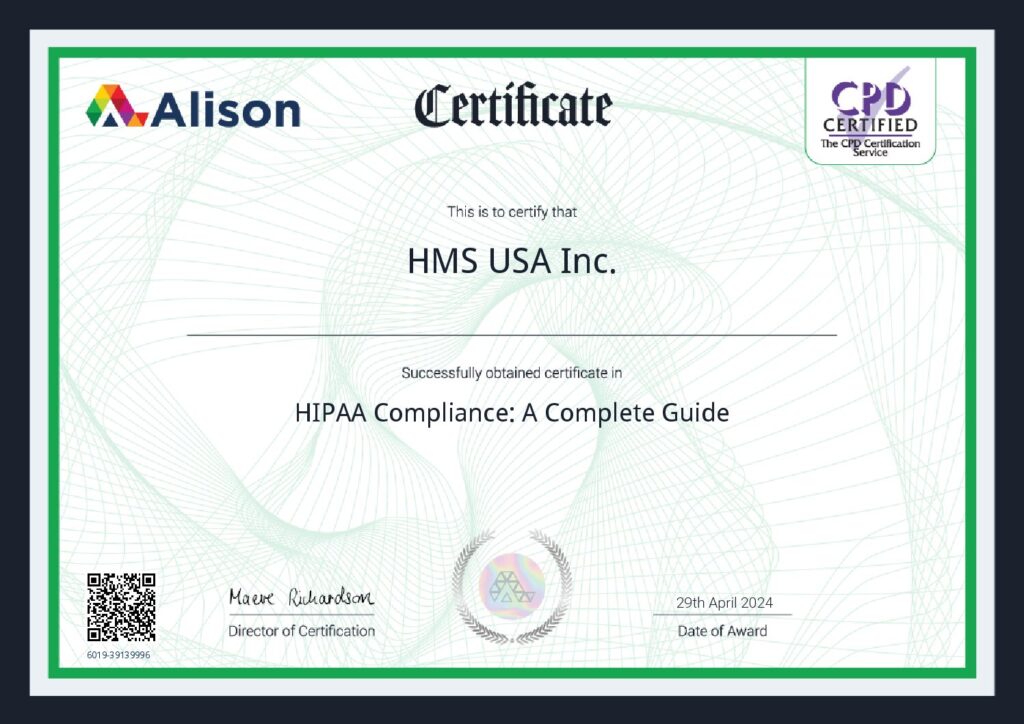
Working with a HIPAA-compliant billing company, like HMS Group Inc, makes this easier. They handle billing accurately, protect patient data, and help your practice stay financially healthy
FAQs
It means protecting patient billing and health information during the entire billing process.
It prevents data breaches, avoids penalties, and protects patient trust.
Unsecured data, unauthorized access, and lack of staff training.
Yes, when handled by a professional billing company with proper security and agreements.
Choose a company with HIPAA training, secure systems, and a signed BAA.