
The state of South Dakota takes up 77,000 square miles of land with only a million people and requires healthcare to be provided through vast distances. In the east and west parts, there are two big healthcare organizations and the areas in-between are served by critical access hospitals, rural health clinics, community health centers and tribal centers. The expansion of Medicaid has allowed more working-age adults to enter it, Medicare insures a majority of the older population and Medicare Advantage is steadily increasing. Every type of insurance company has its edits and deadlines. Medicare and Medicaid provide a year-long period from the date of service, whereas most commercial insurances close it within 90 to 180 days. USA Billing & Coding Solutions offers medical billing services in South Dakota on this model. We pre-authorize every patient prior to their appointment, file accurate claims promptly and aggressively follow up any denied claims to get paid or resolved. Our reporting shows which areas generate income and which areas lose it.
The billing process in South Dakota does not follow only one process. A single entity could bill their claims according to professional claims, encounters from the rural health clinics, swing beds and telemedicine visits, all having unique coding and billing processes. The diagnosis codes are reviewed annually in the month of October, procedures are updated throughout the year and the rules for telemedicine codes and modifiers keep on changing. Our medical billing and coding South Dakota staff codes the claims according to the payer rules who would review the claim.
Confirm plan type, benefits and authorization needs before visits.
Review every claim against payer edits before it is released.
Compare each payment with the expected rate and flag shortfalls.
Trace each denial to its source, correct it and resubmit or appeal.
Apply modifiers, locations and documentation for remote visits.
Keep enrollment current with government and commercial plans.
Changes in policy come too quickly to be read by a small office. Medicaid expansion has been approved by state voters, but new federal changes include the addition of work requirements and increased frequency of eligibility determinations for expansion adults. Changes in coverage will happen between appointments, leading to more uncompensated claims. Payments to rural providers involve special payment methodologies. For critical access hospitals, payments are made on reasonable costs; rural health clinics get payments under an all-inclusive encounter rate; and sole community hospitals have special provisions as well. Misclassification using these methodologies is likely to go undetected for many months until the cost report reveals them. Geographic payment indexes for the state under Medicare are lower than the national average.
The prior authorization requirements from federal authorities are increasing the response time for many government-sponsored plans, while the No Surprises Act requires good-faith estimates from uninsured and self-pay patients. We monitor the trends and update your workflow process prior to revenue impact.
There is an increasing amount of debate on what the cost of admission to or a procedure in a hospital should be. The federal government regulations for price transparency call for the disclosure of the standard charges and the contracts between hospitals and payers; therefore, differences between a statement and a contract can be identified. In calculating a Dakota hospital bill calculation, one needs to distinguish the gross charge from the allowable charge and then from the patient’s charge.
The review contrasts itemized statements to chargemaster codes, payer contracts, diagnosis-based inpatient reimbursement and outpatient reimbursement categories. Duplicate billing, unbundling of services, use of wrong revenue codes, overlooked adjustments and improper patient balances based on the wrong amount will be noted. You will get an easy-to-read summary of the findings, an impact analysis by account and prioritized corrections.
Send us a sample of recent claims and we will point out missed revenue within two business days.
The clinics in Sioux Falls, Rapid City, Aberdeen, Brookings, Mitchell and the frontier counties will compete with bigger organizations to try to hire just a handful of experienced billers. The entire state is considered to be a shortage area in terms of medical personnel and when one employee quits, their billing claims stay undone for weeks.
A dedicated remote team will be assigned to you free from the burden of payroll, licensing, or training charges. An account manager will be allocated to you, with onboarding tailored to your clinic’s working hours and reporting based on your organization size. Our process operates within your EHR, so the provider keeps doing what they are used to while our team takes care of the payer follow-up. Adding a clinician, location, or telemedicine service to your practice? No problem!


Revenue leakage always originates from the front desk. Inappropriate insurance, lack of referrals, unpaid co-payments and outdated fee schedules result in denials that even back office teams cannot fully correct. We relate registration, scheduling and charges to financial results and review payer agreements compared to benchmarks. Quality reporting is also important for Medicare revenues because in the Merit-based Incentive Payment System (MIPS), there is an obligation to reach a certain score to not be penalized, hence our involvement.
However, the billing information is important even beyond the clinical office. Personal injury, workmen’s compensation and insurance-related claims frequently hinge upon the reasonableness of the charges. At our medical billing expert witness services in South Dakota, we provide documentation regarding the reasonableness of charges, payments and coding based on third party payment information and not on opinion.

Consistency is what billing partners build trust on. The certified coders and account managers that our medical billing experts in South Dakota work with are knowledgeable about critical access reimbursement, rural clinic encounter rates, billing for tribal facilities, as well as the differences between Medicaid, Medicare Advantage and commercial insurances. Each of our clients gets a documented workflow and an escalation contact point.
We prepare a rule sheet for your high paying clients, make changes to your claim scrubber for prevention and analyze your frequent denial reasons every month. Data security is done with the same level of professionalism: encrypted transmission, role-based access, activity logging and continuous HIPAA education. You retain ownership of your data, your client connections and your patient experience.
Billing must always be verifiable. HMS USA provides data on the indicators of financial wellbeing such as clean claim ratio, denial ratio by payor, days in accounts receivable, net collection ratio and patient balance aging. All together they show whether payments are moving through or are stuck somewhere.
There are differences among South Dakota payers in their document review processes and payment timelines, hence the need to benchmark each one individually and address any outliers immediately. Whenever an insurance provider begins to deny our claims for a certain service, we investigate, rectify and appeal all affected claims. With time, this leads to decreased processing time, less rework and stabilized monthly revenue. Reports are written in clear language with actionable recommendations at the end of the report.

Talk with an HMS USA specialist and shape a billing plan around your goals.
The fees are normally charged based on the percentage of the collections or monthly flat fee depending on the specialty, the number of claims and the payers. HMS USA starts by looking at your history of claims before they provide you with an estimate of the fees.
Yes. We take care of both cost-based and all-inclusive billing rates, cost report supporting documentation and swing beds. We have the expertise to manage all payers including Medicare, Medicaid and commercial payers in one place. So small providers do not need to hire experts or buy expensive software.
Yes, we know about the concept of encounter rate billing, referral and purchase of care authorizations and third party recovery in facilities that serve American Indians. We coordinate the billing for Medicaid and Medicare services along with these processes to ensure maximum payments for tribal and urban Indian health programs.
Yes, our experts analyze itemized bills, payments and coding in order to determine the reasonable cost of treatment in issues related to injuries and insurance. We produce reports and can testify for attorneys based on factual documentation of payer rates and coding guidelines.
Typically, most of South Dakota’s implementations happen live in 2-4 weeks. We verify enrollment, link up your EHR and clearinghouse, import fee schedules and train your staff, while working on existing receivables to ensure that you do not experience any disruption in payments between teams.
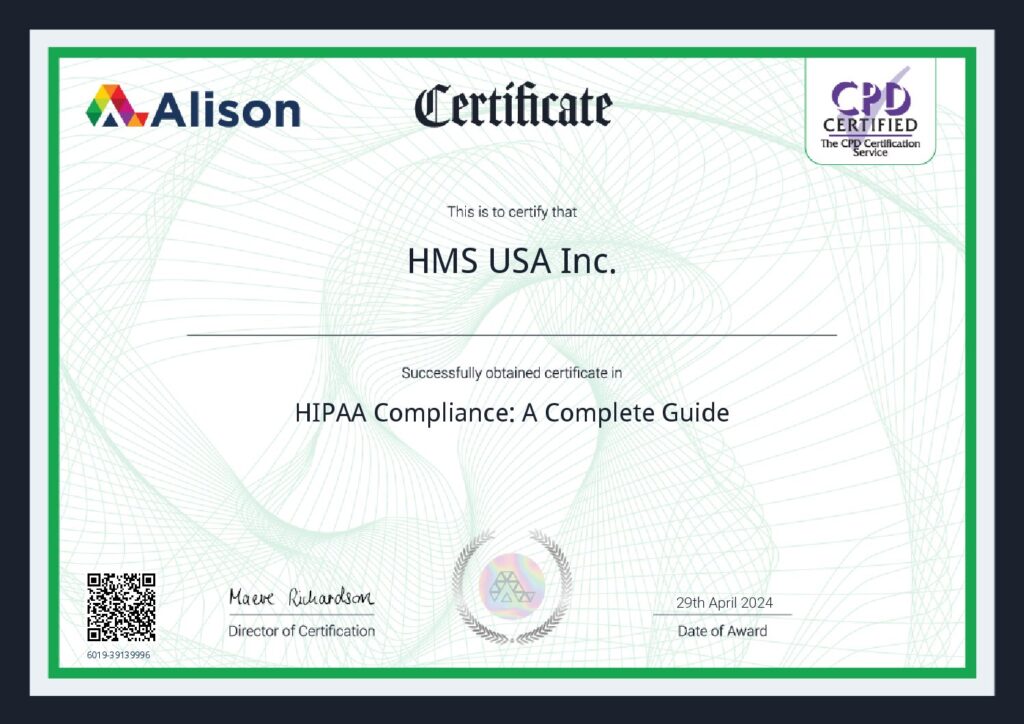
Yes. We adhere to HIPAA privacy and security standards, including encrypted transmissions, role-based access, audit logging and signed business associate agreements. Compliance training is regularly conducted among our staff members and you maintain ownership of your files, helping you fulfill your legal responsibilities both federally and within South Dakota.


 Trustindex verifies that the original source of the review is Google.
 Trustindex verifies that the original source of the review is Google.
 Trustindex verifies that the original source of the review is Google.
 Trustindex verifies that the original source of the review is Google.
 Trustindex verifies that the original source of the review is Google.
 Trustindex verifies that the original source of the review is Google.
 Trustindex verifies that the original source of the review is Google.
 Trustindex verifies that the original source of the review is Google.
 Trustindex verifies that the original source of the review is Google.
 Trustindex verifies that the original source of the review is Google.