
Pennsylvania is a big mixed payer state and not many practices charge under one type of coverage. Medical Assistance is the state’s Medicaid program which insures around three million individuals and most of those individuals have been enrolled into the HealthChoices MCOs. Medicare insures nearly another three million people, with well above half of the beneficiaries currently enrolled in Medicare Advantage. In addition, there is the state exchange named Pennie, employment benefits and workers’ compensation which each have additional regulations. Each payer has its own criteria for claiming, authorizations and time limits. For instance, fee-for-service Medical Assistance claims have to be filed within 180 days of services. The HMS USA provides medical billing services in Pennsylvania which are based on this combination. Prior to each visit we do the eligibility check, submit the clean claim quickly and keep pursuing denial until it gets paid or settled in some other way.
Accurate claims require coding that accurately represents the events that occurred in the examination room. New codes for diagnosis are released in the month of October; new CPT and HCPCS codes are released at different points throughout the year; new coding edit tables are updated quarterly. Additionally, Medicare Advantage pays extra attention to diagnosis capture, hence making incomplete chronic disease documentation an issue that affects the risk-adjusted payments. The state of Pennsylvania takes coding one step further because there is a different system in which the behavioral health benefits of the Medical Assistance members are administered depending on their county plans.
Confirm coverage, plan type and referral needs before check-in.
Scrub every claim against payer edits before it is released.
Compare each payment to the contracted rate and flag shortfalls.
Sort denials by cause, correct the source and appeal with proof.
Send clear statements and offer easy payment options.
Maintain records with Medical Assistance and commercial plans.
Policies change much more quickly than most office staff can keep up with them. For one thing, Pennsylvania’s prior authorization legislation mandates that insurance companies must respond to routine authorization requests within two business days and urgent ones within one day, as well as restrict the frequency of reviews of approved services. In Pennsylvania, the out-of-network billing legislation provides that patients do not have to worry about surprise bills while receiving services at an emergency facility or at a facility-based setting. The legislation takes the disputes to a process which requires clear records from the provider. In the Prompt Pay Act, claims must be paid or denied within forty-five days.
There are two localities in Pennsylvania: Metropolitan Philadelphia and all other counties and hence Medicare makes payment based on locality and hence the same services may be reimbursed at different rates based on practice location. There is federal legislation that introduces work requirements as well as increased frequency of eligibility review for adults within the Medicaid expansion population and thus there will be increased coverage turnover. Workers’ compensation claims adhere to a separate fee schedule and shorter submission timeframes.
Documentation remains at the root of many erroneous payment claims, according to federal integrity reviews. Error rates of Medicare fee-for-service remain at the single-digit level, while Medicaid rates hover around five to six percent. Pennsylvania-based practices are also under review by Medicare fiscal intermediaries, managed care organizations and the state program integrity offices, who can request documentation on short notice.
In our billing audit, we test a random sample of your encounters against payer policy, national guidelines for coding and your own contract rates. In doing this, we check out whether there are any cases of undercoding where you have forgotten money, whether there are cases of overcoding where there is a possibility of repayments, whether there are any modifier problems, duplicate entries and non-billed services. You get a report on what we find, a risk rating for each provider and code family and a recommended action list.
Send us a claims sample and we will point out missed revenue within two business days.
Pennsylvania is home to one of the largest rural populations in the United States and numerous counties outside of Philadelphia and Pittsburgh are considered health professional shortage areas. Private clinics in Lehigh Valley, Lancaster, Erie, Scranton and the north tier area are in competition for few billers and the loss of one means weeks of frozen claims.
Our medical billing services for small practices in Pennsylvania provide you with an exclusive remote team without having to pay payroll, benefits, software and training. With us, you get an account manager by name, on-boarding customized for your availability and reports tailored to a small practice. Our system operates within your EHR, where our process takes care of the payer follow up, while the doctors continue with their normal process. You can expand to another site or another doctor, the service expands depending on your needs.


Most of the payment issues can be traced back to scheduling issues. Incorrect insurance information, lack of referrals, missed copay payments and out-of-date charge masters all become issues down the road when you see denials and payment delays. Our revenue cycle management in Pennsylvania takes into consideration the relationship between the front office procedures and finances, from patient registration to balance collection.
The importance of reporting on quality cannot be overlooked either. With the Merit-based Incentive Payment System in place, clinicians need to meet a specified number of points or face a negative Medicare adjustment, so missing any measures means losing money. Our company will assist in the collection of data, the analysis of the payer contracts/fees schedule in comparison with existing benchmarks and setting up front desk checklists for proper recording of insurance information during each visit. The monthly reviews include days in AR, first pass acceptance and net collection percentage.

Picking a medical billing company in Pennsylvania should be based on facts, not just assurances. Our staff consists of certified coders and account managers who know the difference between HealthChoices, Medicare Advantage and workers’ compensation carriers. Every client receives a documented process, a defined escalation process and access to our senior management.
We provide a rule sheet customized by payer for your major insurance companies, implement denial edits in your scrubber and evaluate the reasons for denial most common to you on a monthly basis. The issue of security is addressed in exactly the same way: encryption, access control, audit trail and HIPAA training for all team members. You maintain control over your data and payers and patients.
The most successful medical billing companies in Pennsylvania allow their clients to check their performance independently. HMS USA describes the indicators which define the financial well-being: first pass pay rate, denial rate per payer, days in accounts receivable, net collections rate and patient balances aging. They determine whether there is movement or not.
Since HealthChoices, Medicare Advantage and commercial insurance have different ways of tracking, evaluating and processing, we analyze each of them separately. If a carrier starts rejecting a certain code, we figure out the reason, improve the process and then appeal the denied claims. In the end, this makes the payment cycle shorter and more predictable for our company. All reports are written in an easy-to-understand manner and end up with recommendations.

Talk with an HMS USA specialist and shape a billing plan around your goals.
The fees can be calculated either in percentages of collection or on a flat fee basis depending on specialty, number of claims and payers. HMS USA will analyze the history of your claims and suggest a fee based on your actual workload so that you do not pay for speculation.
Absolutely. We bill fee-for-service of Medical Assistance patients through PROMISe and HealthChoices plans, check eligibility on each visit and monitor the approval process and appeals for each plan. Medicare, Medicare Advantage, Pennie, Workers’ Compensation and Commercial insurance claims pass through the same pipeline, with one simple monthly report for the practice owner.
Transitions generally take from two to four weeks. We verify that you are enrolled as a payer, set up your EHR integration and your clearinghouse connection, import your fee schedules and perform training. Since open account receivables processing is done during the transition process, claims keep flowing and your finances remain consistent.
Yes. Small hospitals and rural health centers do not have a billing person on staff. Our virtual team works within your EHR system, meaning that you don’t need to hire anyone locally and incur expenses for an office, software and so forth.
Coders review the documentation in accordance with the ICD-10-CM, CPT and HCPCS guidelines at the time of submission. Quarterly edits, payor guidelines and modifiers are included in our scrubbing guidelines and consistent errors are fed back to the providers as practical education points to avoid future denials and rejections.
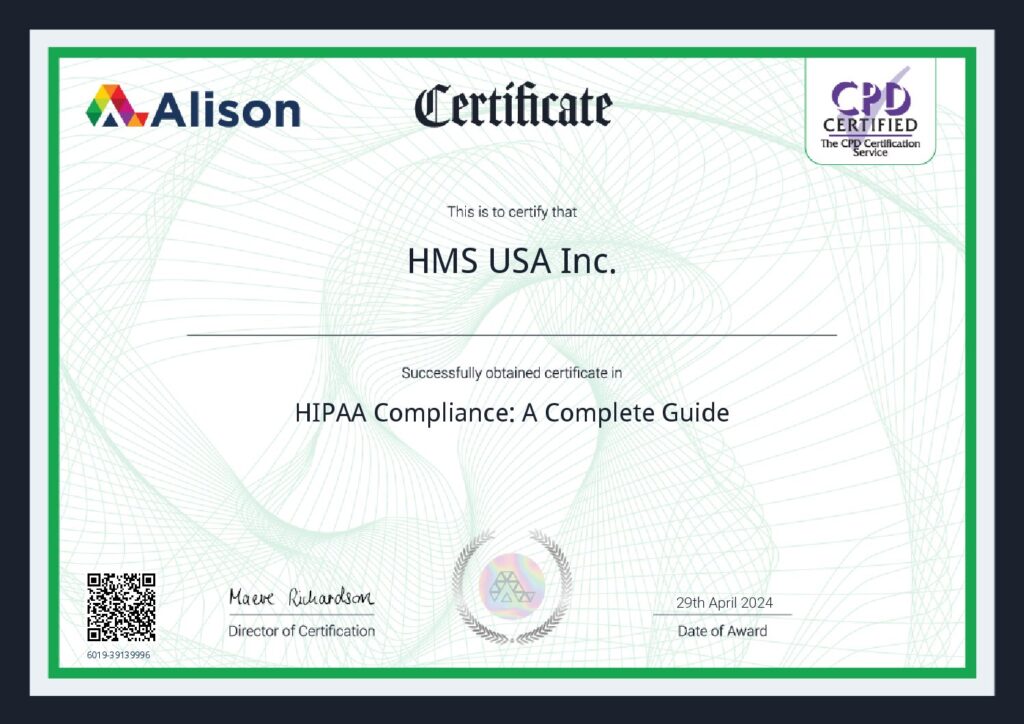
Yes. We comply with HIPAA privacy and security regulations through encryption, role-based access, audit trails and business associate agreements. Our staff undergoes compliance training and you still maintain ownership of all your documents, which helps you fulfill your responsibilities as mandated by the federal government and Pennsylvania state law.


 Trustindex verifies that the original source of the review is Google.
 Trustindex verifies that the original source of the review is Google.
 Trustindex verifies that the original source of the review is Google.
 Trustindex verifies that the original source of the review is Google.
 Trustindex verifies that the original source of the review is Google.
 Trustindex verifies that the original source of the review is Google.
 Trustindex verifies that the original source of the review is Google.
 Trustindex verifies that the original source of the review is Google.
 Trustindex verifies that the original source of the review is Google.
 Trustindex verifies that the original source of the review is Google.